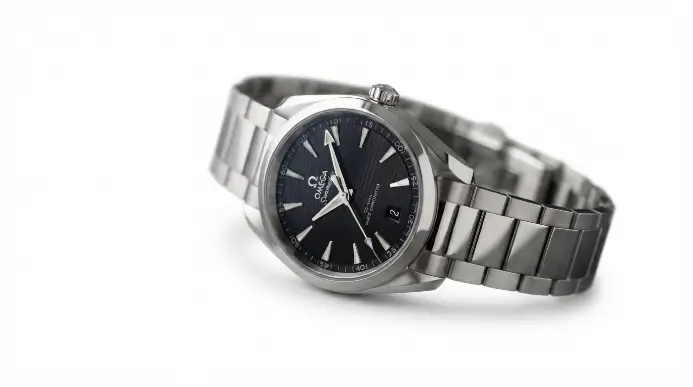
Yes — Omega is unquestionably a luxury watch brand. Founded in Switzerland in 1848, Omega has spent over 175 years building genuine watchmaking credibility, backed by in-house movements, space exploration history, and a client list that includes royalty, astronauts, and Hollywood’s biggest names. But that simple “yes” doesn’t tell the whole story, and it’s worth understanding why Omega qualifies, where it actually sits within the luxury watch hierarchy, and how it compares to names like Rolex and Patek Philippe.
If you’ve typed “is Omega a luxury watch” into Google, you’re probably really asking a slightly different question: is Omega worth the money, and how does it stack up against other luxury options? This guide answers both.
What Actually Makes a Watch “Luxury”?
Price alone doesn’t define luxury plenty of expensive watches lack genuine craftsmanship, and plenty of respected luxury pieces are more accessible than people assume. Instead, watch collectors typically judge luxury status against a handful of criteria:
- Heritage and story — a documented history of innovation, not just marketing
- In-house movement technology — whether the brand designs and produces its own calibers, rather than relying on generic third-party movements
- Material and finishing quality — premium metals, sapphire crystal, and meticulous hand-finishing
- Brand exclusivity and recognition — how the watch is perceived by both collectors and the general public
- Price point relative to mainstream watches — while not the only factor, luxury watches are still priced well above mass-market brands
Measured against every one of these criteria, Omega checks the box clearly.
Why Omega Is Considered a Luxury Watch Brand
A Genuine 175+ Year Heritage
Omega was founded in 1848 in La Chaux-de-Fonds, Switzerland, and has spent over a century and a half building a reputation for precision and innovation. The brand’s watches have been worn during Olympic Games timing since 1932, on NASA space missions since the 1960s (including being the first watch worn on the Moon), and by Ian Fleming’s James Bond on screen since 1995 — a level of historical depth that’s difficult to manufacture through marketing alone.
Real In-House Technology
This is where Omega separates itself from lower-tier “premium” brands. Omega has invested heavily in genuine proprietary movement technology, including:
- The Co-Axial escapement, which reduces friction and improves long-term accuracy and durability compared to traditional escapements
- METAS Master Chronometer certification, an independent standard that tests watches for precision and resistance to magnetic fields far beyond typical industry requirements
- Anti-magnetic movement technology, protecting accuracy in ways many other Swiss brands don’t match
Brands relying on generic ETA or Sellita movements are generally viewed as sitting a tier below this kind of in-house engineering investment.
Quality Materials and Craftsmanship
Omega watches use premium materials across the board — sapphire crystal, stainless steel, solid gold, and platinum on higher-end references — combined with the kind of finishing and quality control expected at the luxury level.
Cultural Prestige and Brand Ambassadors
Omega’s association with the Olympic Games, NASA, and the James Bond franchise, along with ambassadors like George Clooney and Nicole Kidman, reinforces its status in the public eye. This kind of consistent, decades-long positioning is a hallmark of genuine luxury brands rather than brands simply chasing a premium price tag.
Omega’s Price Point: Luxury, But More Accessible
One reason people question Omega’s luxury status is that it’s genuinely more attainable than some of its Swiss peers. Here’s a general breakdown:
| Price Tier | Approx. Range (USD) | What You’ll Find |
| Entry-level | $2,500 – $5,000 | Select Constellation and De Ville models |
| Mid-range | $5,000 – $10,000 | Seamaster Diver 300M, standard Speedmaster |
| Higher-end | $10,000 – $30,000+ | Gold, two-tone, and complicated references |
| Rare/limited editions | $30,000 – $150,000+ | Special editions, precious metals, historic references |
This more accessible entry point is precisely why Omega is often recommended as a starting point for people entering luxury watch collecting — it offers genuine Swiss in-house engineering without the extreme pricing or years-long waitlists associated with brands like Rolex or Patek Philippe.
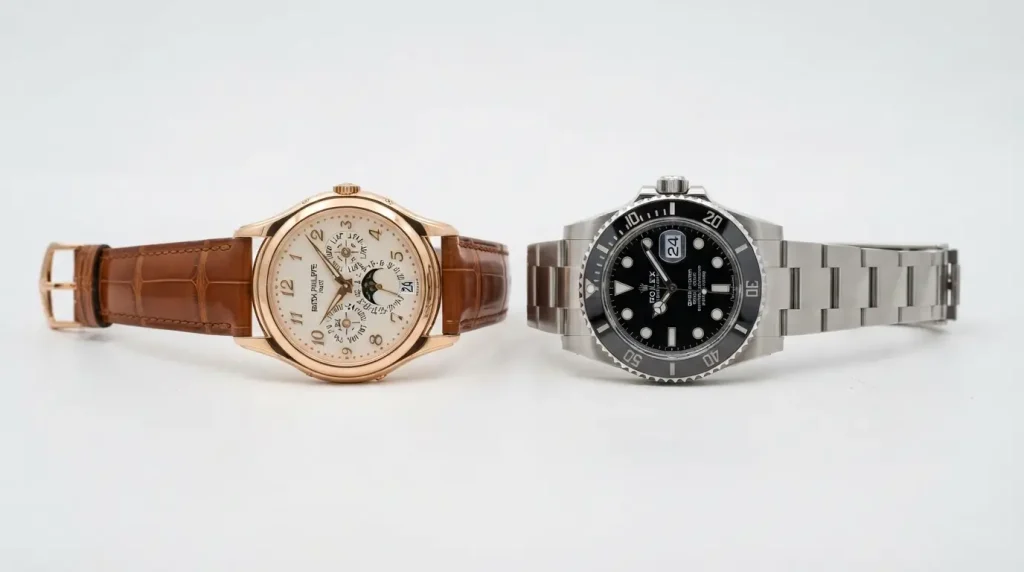
Is Omega as Luxury as Rolex?
This comparison comes up constantly, and the honest answer is: it depends on what you’re measuring.
- Brand recognition: Rolex generally has stronger mainstream name recognition worldwide.
- Exclusivity and waitlists: Rolex’s constrained supply on popular references has created more artificial scarcity and higher secondary-market premiums than most of Omega’s catalog.
- Technical merit: Independent watchmaking experts frequently rate Omega’s Co-Axial escapement and Master Chronometer certification as being on par with, or in some respects exceeding, Rolex’s in-house technology.
- Catalog breadth: Omega offers a wider range of models and price points, which some collectors see as more choice and others see as a less focused brand identity compared to Rolex’s smaller, more curated lineup.
In short, Omega and Rolex are both firmly luxury brands, but they occupy slightly different positions — Rolex leans toward status and scarcity, while Omega leans toward accessible, technically excellent Swiss watchmaking.
Is Omega a Good Investment?
Certain Omega references — particularly the Speedmaster Professional Moonwatch and Seamaster 300M — have a solid track record of holding their value on the resale market, and select vintage or limited-edition pieces have appreciated meaningfully over time. That said, Omega’s broader catalog doesn’t carry the same aggressive above-retail premiums seen on the most in-demand Rolex sports models. Most buyers should view an Omega purchase primarily as owning a well-made luxury watch they’ll enjoy wearing, with resale value as a secondary bonus rather than the main goal.
Should You Buy an Omega Watch?
Omega is a strong choice if you want:
- Genuine in-house Swiss movement technology at a more accessible price than Rolex or Patek Philippe
- A well-documented brand heritage tied to space exploration, sport, and film
- A wide range of styles, from sporty divers to dressier gold pieces
- Reasonable availability without the extreme waitlists common at some rival boutiques
It may be less suited to buyers whose primary goal is maximum resale premium or the strongest possible brand-status signaling, where Rolex or Patek Philippe currently hold an edge.
FAQs
Is Omega considered a luxury or premium brand?
Omega is considered a genuine luxury watch brand, not merely “premium,” based on its in-house movement technology, heritage, and craftsmanship — though it’s positioned as more accessible than ultra-luxury names like Patek Philippe or Vacheron Constantin.
Is Omega as luxurious as Rolex?
Both are firmly luxury brands. Rolex generally has stronger mainstream recognition and secondary-market scarcity, while Omega is often praised for comparable or superior in-house movement technology at a more accessible price point.
What makes Omega a luxury watch brand?
Omega’s luxury status comes from its 175+ year heritage, proprietary Co-Axial escapement, METAS Master Chronometer certification, premium materials, and long-standing cultural prestige through the Olympics, NASA, and James Bond.
Is Omega a good starter luxury watch?
Yes. Omega is frequently recommended as an entry point into luxury watch collecting because it offers genuine Swiss engineering and heritage without the extreme pricing or waitlists associated with some rival luxury brands.
Do Omega watches hold their value?
Certain references, especially the Speedmaster Professional and Seamaster 300M, have a solid resale track record, though Omega’s broader catalog generally doesn’t command the same above-retail premiums seen on the most in-demand Rolex models.
Conclusion
So, is Omega a luxury watch? Unquestionably, yes — its heritage, in-house technology, and craftsmanship all meet the criteria that define genuine luxury watchmaking. Where Omega stands out is in offering that luxury status at a more accessible price point and with more realistic availability than some of its Swiss peers, making it one of the strongest choices for anyone looking to buy their first serious luxury watch, or to add a technically excellent piece to an existing collection.